AI and the Future of Construction
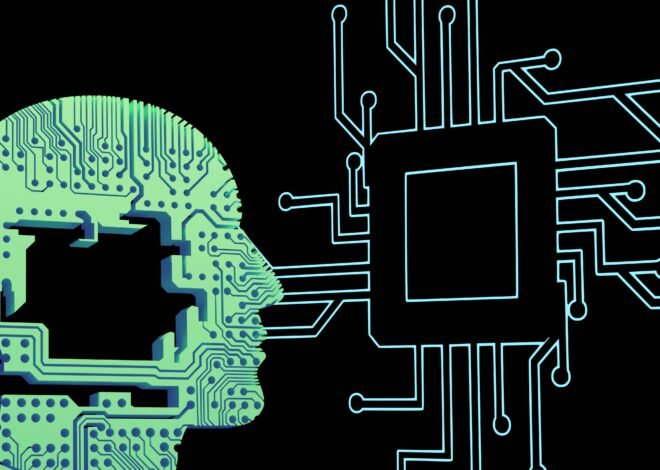
The construction industry, long known for its reliance on manual labor and traditional processes, is undergoing a profound transformation. Artificial Intelligence (AI) is rapidly reshaping how buildings are designed, constructed, and maintained. As global demand for infrastructure increases alongside pressures to reduce costs, improve safety, and meet sustainability goals, AI is emerging as a powerful tool that could redefine the future of construction.
Enhancing Design and Planning
One of the most significant impacts of AI in construction is in the design and planning phase. AI-powered software can analyze vast amounts of data—such as site conditions, environmental factors, material availability, and budget constraints—to generate optimized design solutions. Tools using machine learning algorithms can produce multiple design alternatives in minutes, allowing architects and engineers to select options that balance cost, performance, and sustainability.
Building Information Modeling (BIM), when combined with AI, enables predictive insights that were previously impossible. AI-enhanced BIM can detect design clashes before construction begins, reducing costly rework and delays. It can also simulate construction timelines and resource allocation, helping project managers make better-informed decisions early in the project lifecycle.
Improving Productivity and Efficiency
Construction projects are often plagued by inefficiencies, including downtime, material waste, and labor shortages. AI helps address these challenges by optimizing workflows and automating repetitive tasks. For example, AI-driven scheduling systems can predict potential delays based on historical data and real-time inputs such as weather conditions or supply chain disruptions.
Robotics powered by AI are also playing an increasing role on construction sites. Autonomous or semi-autonomous machines can perform tasks like bricklaying, concrete pouring, welding, and excavation with high precision and consistency. These systems not only speed up construction but also reduce human error and physical strain on workers.
Enhancing Safety on Construction Sites
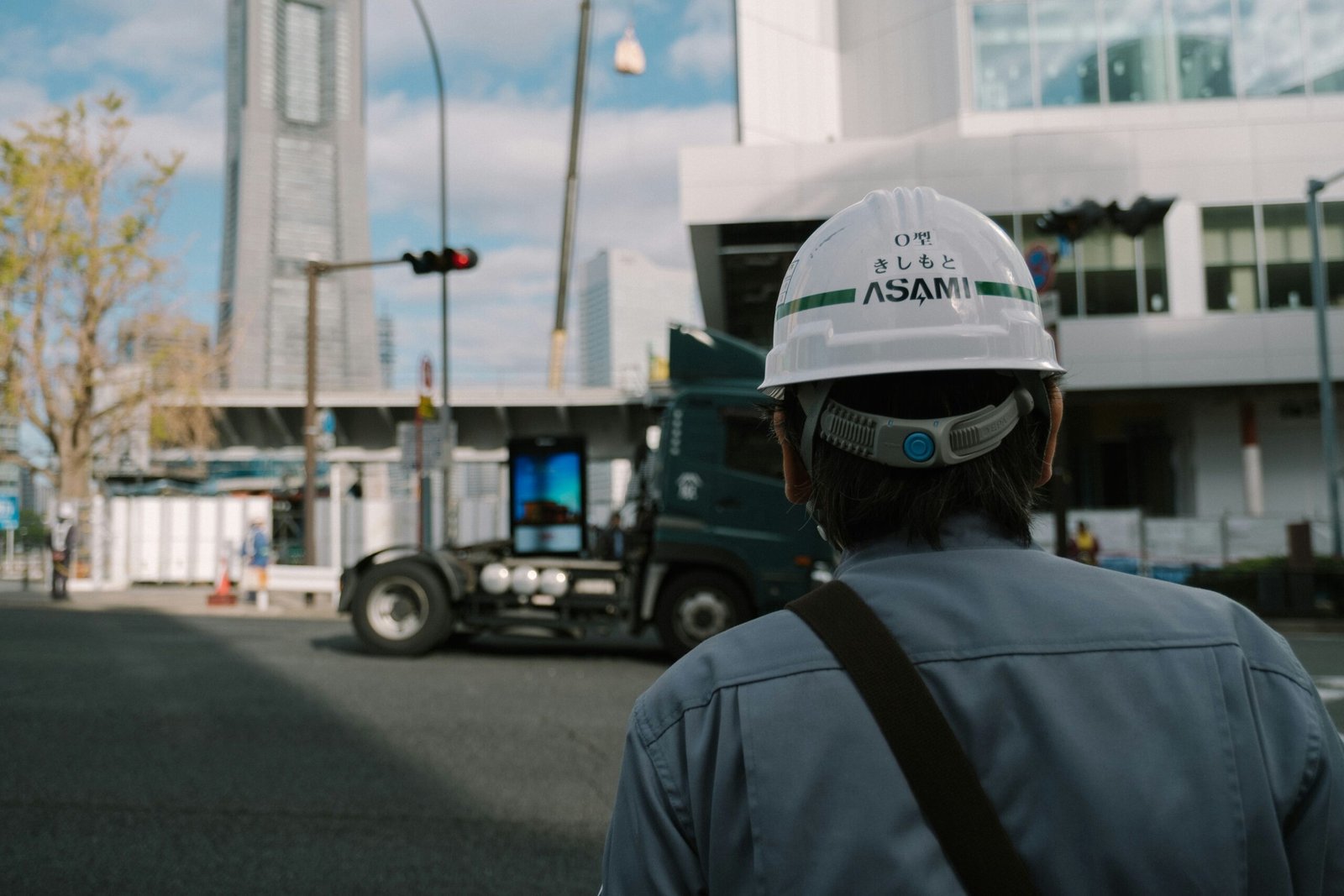
Safety is a critical concern in construction, which remains one of the most hazardous industries worldwide. AI technologies are significantly improving site safety by identifying and mitigating risks in real time. Computer vision systems, for instance, can analyze video feeds from construction sites to detect unsafe behaviors, such as workers not wearing protective equipment or entering restricted zones.
AI-powered wearables can monitor workers’ vital signs and fatigue levels, alerting supervisors before accidents occur. Predictive analytics can also assess historical accident data to forecast high-risk scenarios, allowing preventive measures to be implemented proactively. By reducing accidents and injuries, AI not only saves lives but also lowers insurance costs and project delays.
Cost Control and Risk Management
Cost overruns are a common problem in construction projects. AI helps improve cost control by providing accurate estimates and continuous monitoring throughout the project. Machine learning models can analyze past projects to predict expenses more precisely and identify areas where costs are likely to escalate.
In terms of risk management, AI can evaluate thousands of variables—such as contractor performance, market conditions, and regulatory changes—to assess project risk levels. This enables stakeholders to make strategic decisions, negotiate better contracts, and allocate contingency resources more effectively.
Sustainability and Environmental Impact
As the construction industry faces growing pressure to reduce its environmental footprint, AI offers valuable solutions for sustainable building practices. AI can optimize material selection to minimize waste, recommend energy-efficient building designs, and simulate a building’s environmental performance over its entire lifecycle.
Smart buildings equipped with AI systems can manage energy consumption more efficiently by adjusting lighting, heating, and cooling based on occupancy patterns and weather conditions. Additionally, AI can support the use of renewable materials and help construction firms comply with environmental regulations, contributing to greener and more sustainable urban development.
Workforce Transformation
While concerns exist that AI may replace human jobs in construction, the reality is more nuanced. AI is more likely to transform roles rather than eliminate them. Routine and physically demanding tasks may become automated, allowing workers to focus on higher-value activities such as supervision, problem-solving, and technical management.
This shift will require new skills, including data analysis, digital modeling, and the operation of AI-enabled tools. As a result, training and education will play a crucial role in preparing the construction workforce for the future. Companies that invest in upskilling their employees are likely to gain a competitive advantage in an increasingly technology-driven industry.
Challenges and Limitations
Despite its potential, the adoption of AI in construction is not without challenges. High implementation costs, lack of standardized data, and resistance to change can slow down adoption. Many construction firms, particularly small and medium-sized enterprises, may struggle to invest in advanced AI technologies.
Data quality is another critical issue. AI systems rely on accurate and comprehensive data to function effectively. Inconsistent or incomplete data can lead to unreliable results. Additionally, concerns around data security and privacy must be addressed as construction projects become more digitally connected.
Conclusion
AI is poised to revolutionize the construction industry by enhancing efficiency, safety, sustainability, and decision-making. From intelligent design and automated construction to predictive maintenance and smart buildings, AI’s influence spans the entire construction lifecycle. While challenges remain, the benefits of embracing AI far outweigh the risks.
As technology continues to evolve, construction firms that adopt AI strategically and responsibly will be better positioned to meet future demands. The future of construction is not just about building faster or cheaper—it is about building smarter, safer, and more sustainably, with AI playing a central role in shaping the industry’s next era.