
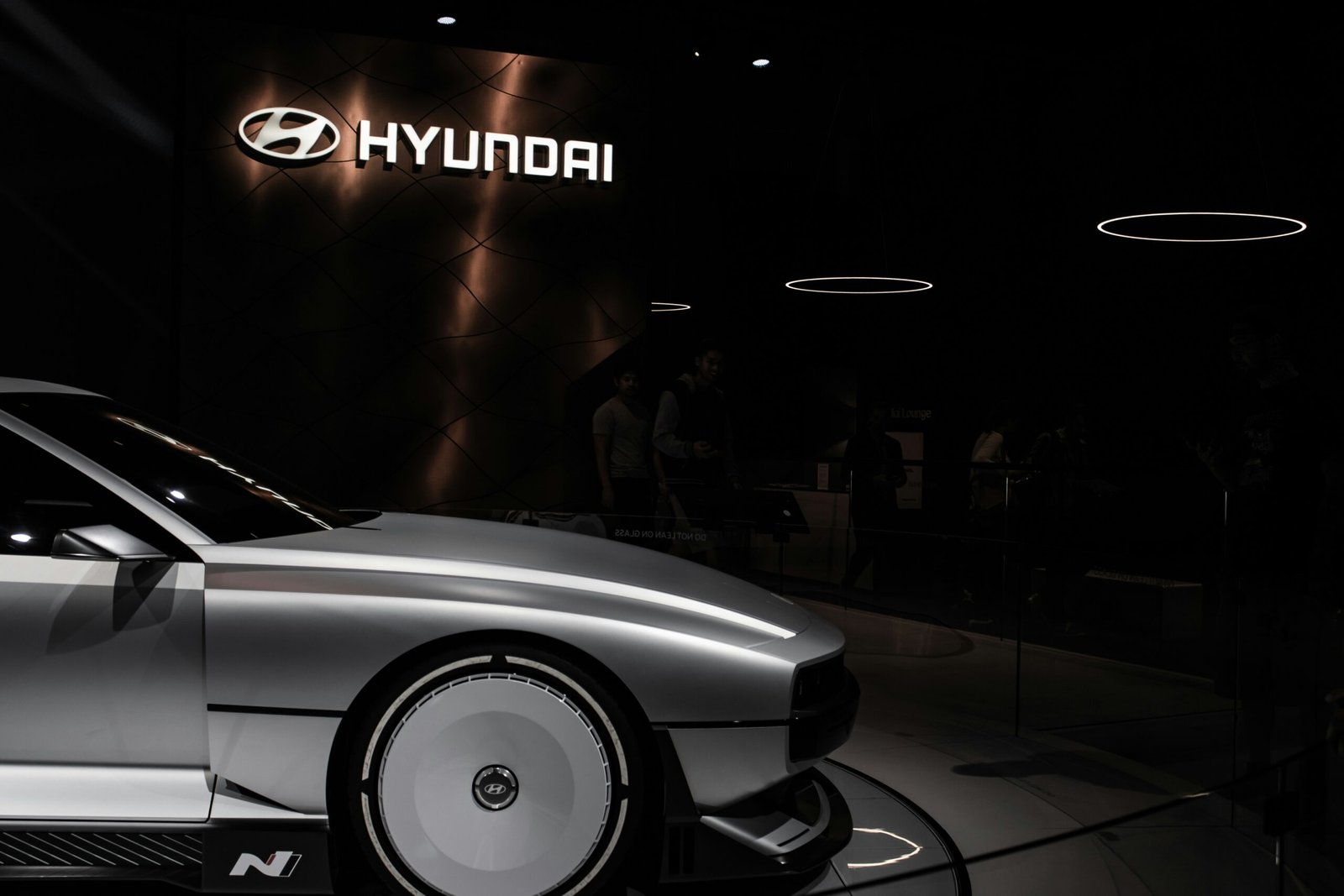
General Motors and Hyundai
The automotive industry has always thrived on competition, but lately, collaboration seems to be the new strategy for survival and growth. In a move that surprised many industry watchers, General Motors (GM) and Hyundai have announced a strategic partnership to jointly develop a new lineup of vehicles. This partnership marks a significant shift in how automakers respond to rising global competition, technological demands, and changing customer preferences. Let’s dive into what this alliance truly means for both companies and the wider industry.
Why Are GM and Hyundai Teaming Up?
It’s no secret that the automotive market has been feeling the squeeze. Intense cost pressures, rapid advancements in technology, and fierce competition—especially from electric vehicle (EV) startups and fast-moving Chinese manufacturers—are forcing established players to rethink old rivalries.
Rather than fight alone, GM and Hyundai have chosen to pool their resources and expertise. Their primary aim? To share development costs, accelerate innovation, and collectively address the growing demand for affordable yet technologically advanced cars, particularly in emerging markets across Central and South America. For both companies, it’s a win-win scenario that dramatically increases their ability to adapt and thrive.
The Blueprint: What Vehicles Are on the Horizon?
The joint effort doesn’t just stop at sharing blueprints—it’s about creative fusion. GM and Hyundai are developing at least five new vehicles together. These include a compact SUV, a conventional sedan (still a favorite in many Latin American regions), and a midsize pickup—vehicles chosen to match the appetite of consumers in those markets. Both automakers plan to harness each other’s strengths: GM’s deep manufacturing know-how and Hyundai’s efficient engineering.
Mass production is key to the partnership’s ambitions. GM and Hyundai aim to ramp production up to an impressive 800,000 units annually. This scale not only helps in spreading out costs but also positions the companies to move rapidly if a particular model becomes a runaway success.
Electric Vehicles: A Subtle Undertone
While the initial focus rests on internal combustion engine (ICE) vehicles, the long-term view subtly tilts toward electric powertrains. Both companies know they can’t ignore the global shift toward EVs forever. Insiders hint that future projects could see electric platforms, shared battery technology, or even joint investments in charging infrastructure.
Benefits Beyond Cost Savings
Sure, lowering expenses is huge, but the potential goes far beyond that. Collaboration enables both companies to:
- Enter new markets more confidently, leveraging local knowledge and established networks.
- Share technological advancements quickly, reducing time from concept to showroom.
- Respond more flexibly to shifting regulations—be it emissions, safety, or trade policies.
Risks on the Road Ahead
No partnership is without its potholes. Integrating two vastly different corporate cultures is never easy. There’s also the challenge of ensuring fair intellectual property sharing and dealing with inevitable disagreements over design, branding, or production priorities. Both groups emphasize clear communication channels and joint management teams to navigate these murky waters.
What Does This Mean for Consumers?
For drivers in Central and South America, this collaboration promises an exciting new variety of vehicles with greater value—think higher trim levels, up-to-date safety features, and the tech consumers increasingly expect. All of this at competitive prices, thanks to economies of scale.
A Glimpse into the Industry’s Future
If GM and Hyundai’s gamble pays off, it could set a precedent for future collaborations, even among unexpected rivals. With old paradigms crumbling, sharing the load might just become the new normal in a quickly evolving automotive world.




One thought on “General Motors and Hyundai”