Home Care Technology News: Innovations Shaping At Home Health
In recent years, home care technology has rapidly evolved, redefining how patients receive medical support outside traditional clinical settings. From AI-powered monitoring to remote rehabilitation and user-friendly devices, the landscape is expanding access, enhancing safety, and helping families manage care with greater confidence. Here’s a snapshot of the latest trends and notable developments driving this sector forward.
Remote Monitoring Becomes the New Normal
Remote patient monitoring (RPM) platforms are moving from optional add-ons to essential components of home care. Advanced sensors, wearables, and connected medical devices continuously collect data on vital signs, activity levels, and medication adherence. With robust dashboards and real-time alerts, caregivers and clinicians can intervene promptly, often preventing hospital readmissions.
Key takeaways:
- Continuous glucose monitors, blood pressure cuffs, and pulse oximeters routinely stream data to secure cloud portals.
- AI analyzes patterns to flag anomalies, such as sudden blood pressure spikes or dehydration risk.
- Families gain peace of mind with transparent, 24/7 visibility into loved ones’ health status.
AI-Driven Care Coordination
Artificial intelligence is streamlining care coordination by sorting streams of data, prioritizing tasks, and predicting potential complications. Chatbots and virtual assistants handle routine check-ins, medication reminders, and symptom triage, freeing up time for human caregivers to address more complex needs.
Highlights include:
- Predictive analytics identify patients at risk of falls or exacerbations, enabling preemptive interventions.
- AI-assisted scheduling optimizes visits from nurses, physical therapists, and home health aides.
- Natural language processing helps clinicians document encounters more efficiently, reducing administrative burden.
Telepresence and Virtual Rehabilitation
Telepresence technologies enable clinicians to virtually “be” with patients in their homes. High-definition video, remote-controlled examination tools, and secure messaging create a seamless care experience. Virtual rehabilitation programs—guided by licensed therapists—offer customized exercises, real-time feedback, and progress tracking.
Strengths of telepresence:
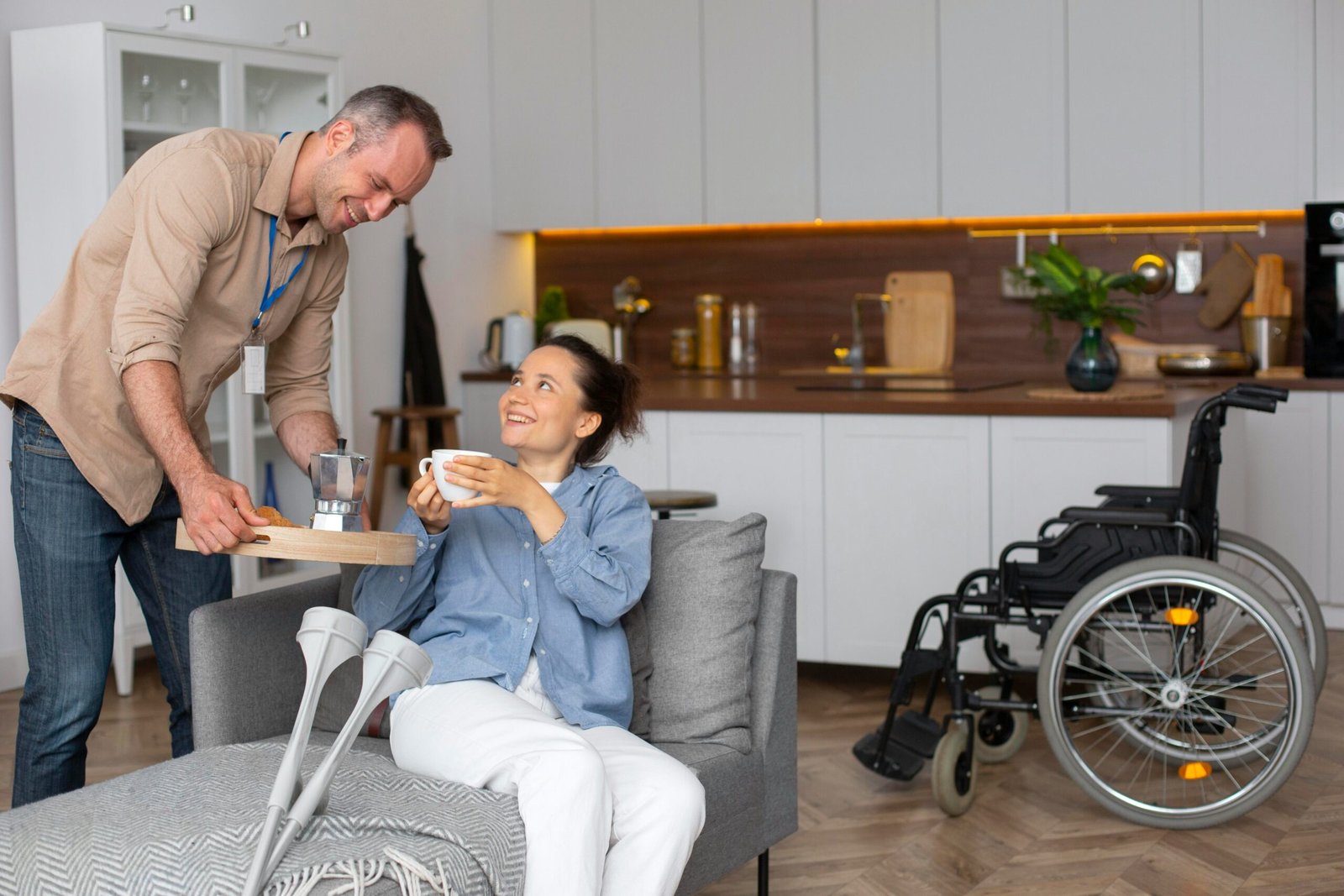
- Reduces travel burden for patients with mobility challenges.
- Enables remote assessments of range of motion and gait.
- Supports consistency in therapy, with adherence tracking across sessions.
Safe and Simple Devices for Everyday Use
User-friendly devices are at the heart of successful home care. Devices that are easy to set up, operate, and maintain increase adoption rates among seniors and chronically ill patients living independently.
Recent device trends:
- Simplified wearables with long battery life and clear on-device prompts.
- Medication management systems that dispense doses and provide reminders via apps or voice assistants.
- fall detection sensors and smart home integration that trigger alerts to caregivers and emergency services.
Data Privacy, Security, and Trust
As home care relies more on connected devices, data privacy and security are paramount. Regulators and vendors are tightening standards around encryption, access controls, and consent workflows. Families should look for devices with clear privacy policies, local data processing options, and transparent data-sharing practices.
Best practices for families:
- Verify that devices support end-to-end encryption and multi-factor authentication.
- Review data retention policies and who can access health information.
- Choose systems with clear offline capabilities in case of connectivity disruptions.
The Road Ahead: Standards and Interoperability
Interoperability remains a critical challenge. The value of home care technology grows when devices, apps, and platforms can talk to each other seamlessly. Industry groups are advocating for open APIs, standardized data formats, and universal patient identifiers to reduce silos and enable holistic care.
What to watch:
- Increased adoption of interoperable health data standards across vendors.
- Expanded reimbursement models that incentivize remote monitoring and virtual care.
- Greater emphasis on user-centered design to ensure devices fit real home environments.
Practical Tip for Caregivers
If you’re evaluating home care tech, start with a needs-based checklist:
- Identify the senior’s most pressing care tasks (medication management, mobility, monitoring).
- Prioritize devices with proven ease of use and clear caregiver alerts.
- Confirm data privacy measures and whether family members can securely access the information.

Related Posts
Cool Tech Gadgets That Keep You Ahead of the Curve

Oil Change Services in Houston: Vehicle Running Smoothly