How Safe Is Your Data? Latest Cybersecurity Insights
In an increasingly digital world, data has become one of the most valuable assets for individuals and businesses alike. From personal information and financial records to business strategies and intellectual property, protecting data is no longer optional—it is essential. With cyber threats evolving at a rapid pace, understanding the latest cybersecurity insights is crucial for ensuring your data remains safe in 2026.
Rising Cyber Threats in 2026
Cybercrime continues to grow in complexity and frequency. Hackers are using sophisticated techniques such as ransomware attacks, phishing scams, and AI-powered intrusion methods to exploit vulnerabilities. According to recent studies, small and medium-sized businesses are particularly at risk, as they often lack robust cybersecurity infrastructure.
Individuals are also vulnerable, especially with the rise of online banking, e-commerce, and smart devices. Weak passwords, unpatched software, and unsecured networks make personal data an easy target.
Importance of Data Encryption
One of the most effective ways to protect data is encryption. Encryption converts information into unreadable code that can only be accessed with a secure key. Organizations handling sensitive data, such as financial institutions and healthcare providers, use encryption to prevent unauthorized access.
For individuals, enabling encryption on devices, cloud storage, and messaging apps adds an extra layer of protection. Even if data is intercepted, encrypted information is extremely difficult for attackers to decipher.
Multi-Factor Authentication (MFA)
Passwords alone are no longer sufficient to secure accounts. Multi-factor authentication (MFA) adds an extra verification step, such as a fingerprint scan, SMS code, or authentication app.
MFA significantly reduces the risk of unauthorized access. Businesses and individuals using MFA have reported far fewer security breaches, making it a vital tool for cybersecurity in 2026.
Cloud Security and Remote Work
The widespread adoption of remote work and cloud-based services has created both opportunities and risks. Cloud storage offers convenience and accessibility, but it also requires robust security measures.
Secure cloud providers use encryption, access controls, and continuous monitoring to protect data. Businesses must also implement internal policies, such as restricting sensitive information access and training employees on safe practices.
AI in Cybersecurity
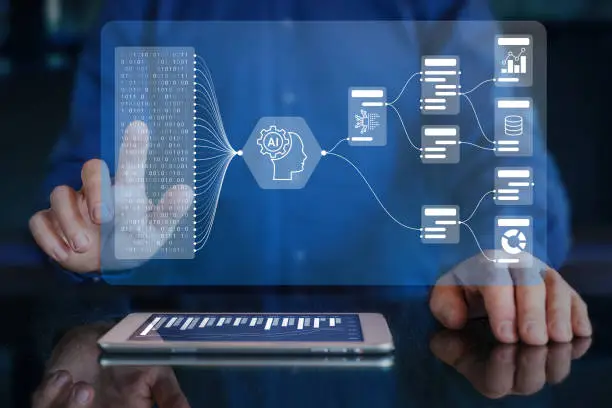
Artificial intelligence (AI) is becoming a powerful tool in both cyber attacks and defense. On the defensive side, AI can detect unusual behavior, predict potential threats, and respond to breaches faster than human teams.
Organizations leveraging AI-driven security systems can identify vulnerabilities in real time and reduce the impact of attacks. However, cybercriminals are also using AI to craft more sophisticated attacks, emphasizing the need for constant vigilance.
Protecting Your Data at Home
Data safety is not just for businesses. Individuals can take simple steps to protect personal information:
- Use strong, unique passwords for every account.
- Enable MFA wherever possible.
- Keep software and devices updated to patch security vulnerabilities.
- Avoid clicking on suspicious links or downloading unknown files.
- Regularly back up important data.
Conclusion
In 2026, the safety of your data depends on proactive measures and staying informed about the latest cybersecurity trends. With threats evolving rapidly, relying on basic protection methods is no longer enough. By implementing encryption, multi-factor authentication, secure cloud practices, and AI-driven security solutions, both individuals and businesses can significantly reduce their risk of data breaches. Protecting data is a continuous effort, and staying ahead of cybercriminals is essential for maintaining privacy, trust, and security in the digital age.

Related Posts

Expert Security Sweep Services: Protecting People and Property
Cybersecurity Trends Shaping the Digital World