
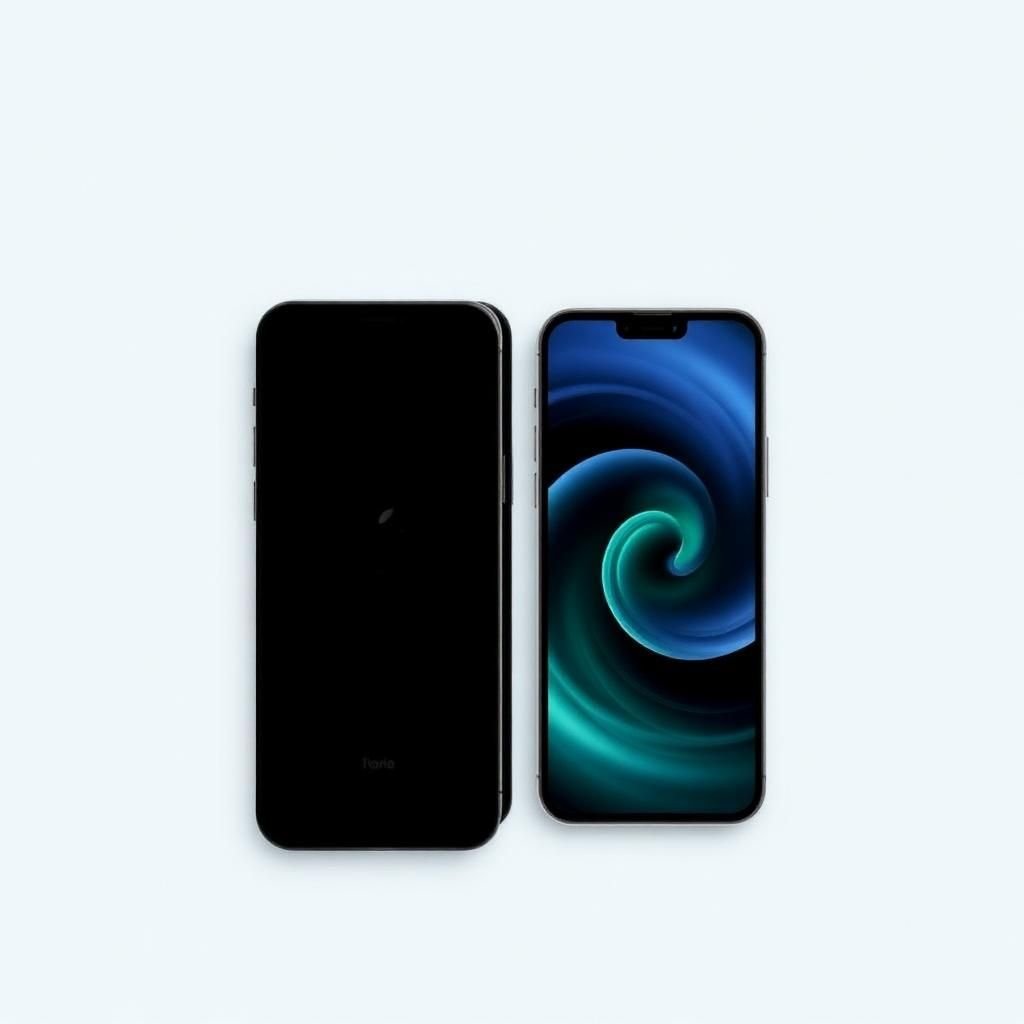
Top iPhone OLED Improvements Coming in 2026
Apple is well-known for refining its display technology year after year, and 2026 looks to be a big step forward. According to multiple reports and industry analysts, Apple is planning major OLED screen upgrades for its upcoming iPhones. These improvements promise sharper visuals, better color accuracy, and greater energy efficiency. Let’s explore the top iPhone OLED improvements coming in 2026 and what they mean for users.
1. Brighter and More Efficient OLED Panels
Apple’s upcoming OLED screens will be brighter than ever before. The new panels are expected to deliver up to 30% more brightness while consuming less power. This means users will get a better viewing experience even in direct sunlight, and the battery life will last longer.
Apple is reportedly working with Samsung and LG Display to produce next-generation OLED panels that use advanced materials for higher efficiency. These panels can adjust brightness intelligently depending on the content — giving you rich colors when watching videos and saving battery when viewing static screens.
2. Advanced LTPO Technology for Adaptive Refresh Rates
Apple first introduced LTPO (Low-Temperature Polycrystalline Oxide) displays in its Pro models, and 2026 models will take this even further. The new OLED screens are expected to feature adaptive refresh rates ranging from 1Hz to 120Hz.
This improvement will make scrolling and animations smoother while preserving energy when the screen is idle. For instance, when reading an article or viewing a photo, the refresh rate will drop to 1Hz; when gaming or watching fast-motion videos, it’ll jump back to 120Hz. This intelligent power management is one of the most anticipated iPhone OLED improvements coming in 2026.
3. Thinner and Lighter Display Design
One of Apple’s constant goals is to make the iPhone thinner without compromising on strength or battery life. The 2026 OLED panels are rumored to use integrated touch technology, which removes the need for an extra touch layer.
The result?
- A lighter and thinner screen
- Improved touch sensitivity
- Better color consistency across the display
This means the next iPhone may be noticeably sleeker, with more space inside for battery or cooling systems — making it a perfect balance between performance and portability.
4. Enhanced Durability and Longevity
A common issue with OLED screens has been image retention or “burn-in.” But Apple’s upcoming OLEDs are expected to fix that. The company is developing new anti-burn-in algorithms and advanced organic compounds that resist degradation over time.
The panels will also be more resistant to scratches and minor impacts, thanks to improved glass protection layers. This ensures your iPhone’s display remains clear and vibrant for years, even with daily use. Apple wants its OLED screens to match its reputation for long-lasting hardware — built to perform and built to last.
5. True Tone and HDR+ Enhancements
The new iPhone OLEDs will include upgraded True Tone sensors and HDR+ capabilities, making on-screen visuals even more lifelike. Whether you’re watching a movie, editing photos, or playing games, the display will adapt its tone and brightness according to your environment.
The contrast ratio is also expected to improve, with deeper blacks and brighter whites. Combined with Apple’s powerful image processing, the 2026 OLED display will likely offer one of the most accurate color experiences ever seen on a smartphone.
6. Better Power Efficiency with Micro-Lens Array (MLA) Technology
Another exciting development is Apple’s possible use of Micro-Lens Array (MLA) technology. This design places tiny lenses over each OLED pixel, helping direct more light toward the viewer.
Benefits include:
- Higher brightness without increasing power consumption
- Longer battery life
- Reduced heat generation
This could mark a big leap in Apple’s energy-saving efforts and help future iPhones maintain top-tier performance with extended screen-on time.
7. Possible Expansion of OLED to All iPhone Models
Currently, OLED displays are mostly available in Apple’s higher-end Pro and Pro Max models. However, analysts predict that by 2026, all iPhone models — including the standard versions — will feature OLED technology.
This shift will bring premium display quality to more users, eliminating the gap between the base and Pro versions. Every iPhone owner could experience deep blacks, vivid colors, and better contrast — a move that will strengthen Apple’s overall brand consistency.
8. Eco-Friendly Manufacturing Process
Apple has been working to make its production process more sustainable. The new OLED panels will reportedly use recyclable materials and energy-efficient manufacturing methods.
Reducing waste and lowering carbon emissions are major goals for Apple’s 2030 environmental plan. These 2026 OLED improvements not only benefit users but also help Apple move closer to becoming a carbon-neutral company.

Related Posts

How to Choose the Best App Firewall Software in 2026
Low-Code Platforms: The Future of Faster App Development

One thought on “Top iPhone OLED Improvements Coming in 2026”