
Most Useful Mobile Apps in 2026
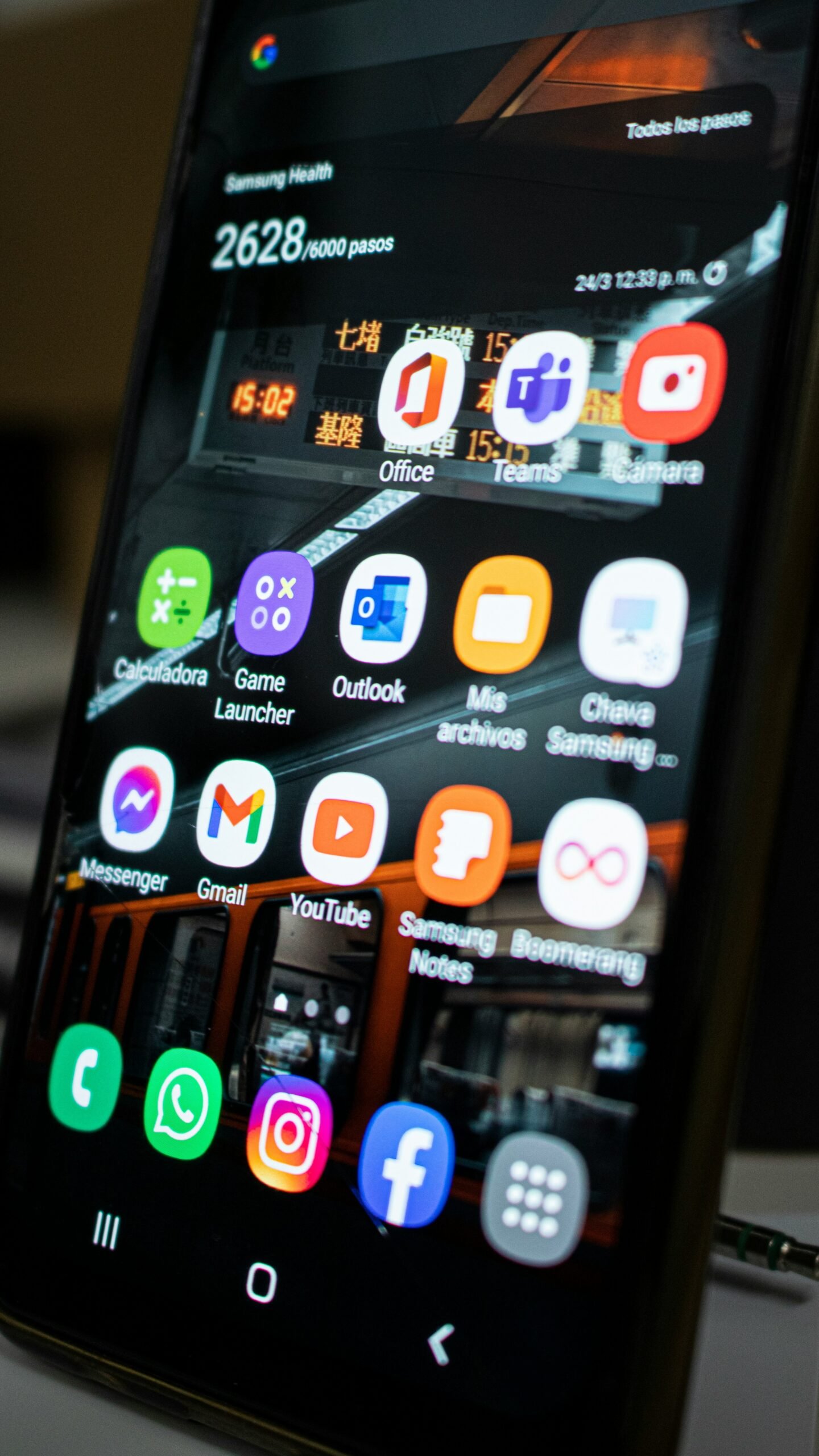
In 2026, mobile apps continue to evolve beyond simple utilities into powerful tools that help us work smarter. Stay healthy, connect meaningfully, and manage daily life effortlessly. Whether you’re a student, professional, or casual user. These apps have become virtually essential on iOS and Android devices, combining productivity, AI assistance, communication, finance, and wellness into everyday routines.
1. ChatGPT & AI Assistants
AI‑powered mobile assistants like ChatGPT are among the most transformative apps in 2026. These tools help users with brainstorming, drafting emails, planning trips, summarizing texts, coding assistance, and more, making them versatile companions for professionals and students alike. ChatGPT’s conversational AI adapts to individual needs, whether you’re managing tasks or solving problems on the go.
Google’s Gemini also stands out as a deep‑integrated AI assistant across devices, offering multimodal input — text, voice, and images — to assist with everything from research to scheduling, travel planning, and creative tasks. This level of intelligence and integration is reshaping how we use our phones daily.
2. Tiimo – Smart Daily Planning
Managing time and tasks has never been more important, and Tiimo has gained particular recognition for making planning visually intuitive and supportive — especially for neurodivergent users. It breaks schedules into manageable steps, offers reminders, and even includes an AI chatbot for quick planning help. Tiimo’s emphasis on structured routines and wellness‑focused planning earned it major accolades, including Apple’s iPhone App of the Year.
3. Notion & Todoist – Productivity Powerhouses
Traditional productivity apps continue to shine in 2026. Notion remains a go‑to app for organizing notes, databases, tasks, and projects in one place, acting as a “second brain” for many users. Its flexibility makes it ideal for both personal organization and collaborative workflows. Meanwhile, Todoist excels at smart task management with intuitive scheduling, reminders, and seamless syncing across platforms, helping users stay consistent with goals and commitments.
4. WhatsApp & Telegram – Communication Essentials
Messaging and communication are foundational to daily life. WhatsApp retains its place as one of the most widely used messaging platforms globally, offering secure chats, voice and video calls, and group features that keep people connected. Telegram distinguishes itself with privacy‑focused messaging, large file sharing, channels, and growing user bases in regions like Europe and beyond.
5. Google Maps – Navigation and Local Discovery
Even in an age of AI assistants, navigation apps like Google Maps remain indispensable. It offers real‑time traffic updates, detailed directions, public transit info, and local discovery features that help users find restaurants, services, and attractions. Its integration with search and AI features enhances travel planning on the fly.
6. Health & Wellness Apps
With digital health more prominent than ever, native apps like Apple Health consolidate data from fitness trackers, smartwatches, and health devices to provide comprehensive insights into activity, vitals, and wellness goals. Users can monitor steps, heart rate, sleep patterns, and integrate with telemedicine platforms for holistic health management.
7. Finance & Digital Wallets
Managing money on the go is simpler with apps like Google Wallet, which securely stores payment cards, loyalty cards, transit passes, and ID credentials — turning your phone into a digital wallet with contactless convenience. From budgeting tools to digital payments, finance apps help users stay in control of spending and security.
8. Niche & Emerging Tools
Beyond mainstream apps, utilities like Streaks (for habit building), shared calendars like Howbout, and specialized trackers like Flighty (for flight schedules) show how mobile apps can address specific lifestyle needs, from personal development to travel planning.
Conclusion
The mobile landscape in 2026 reflects a blend of AI‑driven problem solving, productivity boosters, seamless communication, health tracking, and everyday life management. Whether you’re coordinating work, staying connected with loved ones, navigating unfamiliar places, or simply organizing your day — the right suite of apps can transform your smartphone into a command center for life. Downloading and integrating these tools into your routine can not only save time but also enhance well‑being and efficiency in meaningful ways.

Related Posts
How to Choose the Best App Firewall Software in 2026

Best Android Games to Play Without Internet
One thought on “Most Useful Mobile Apps in 2026”