
What Is the Autonomic Nervous System?
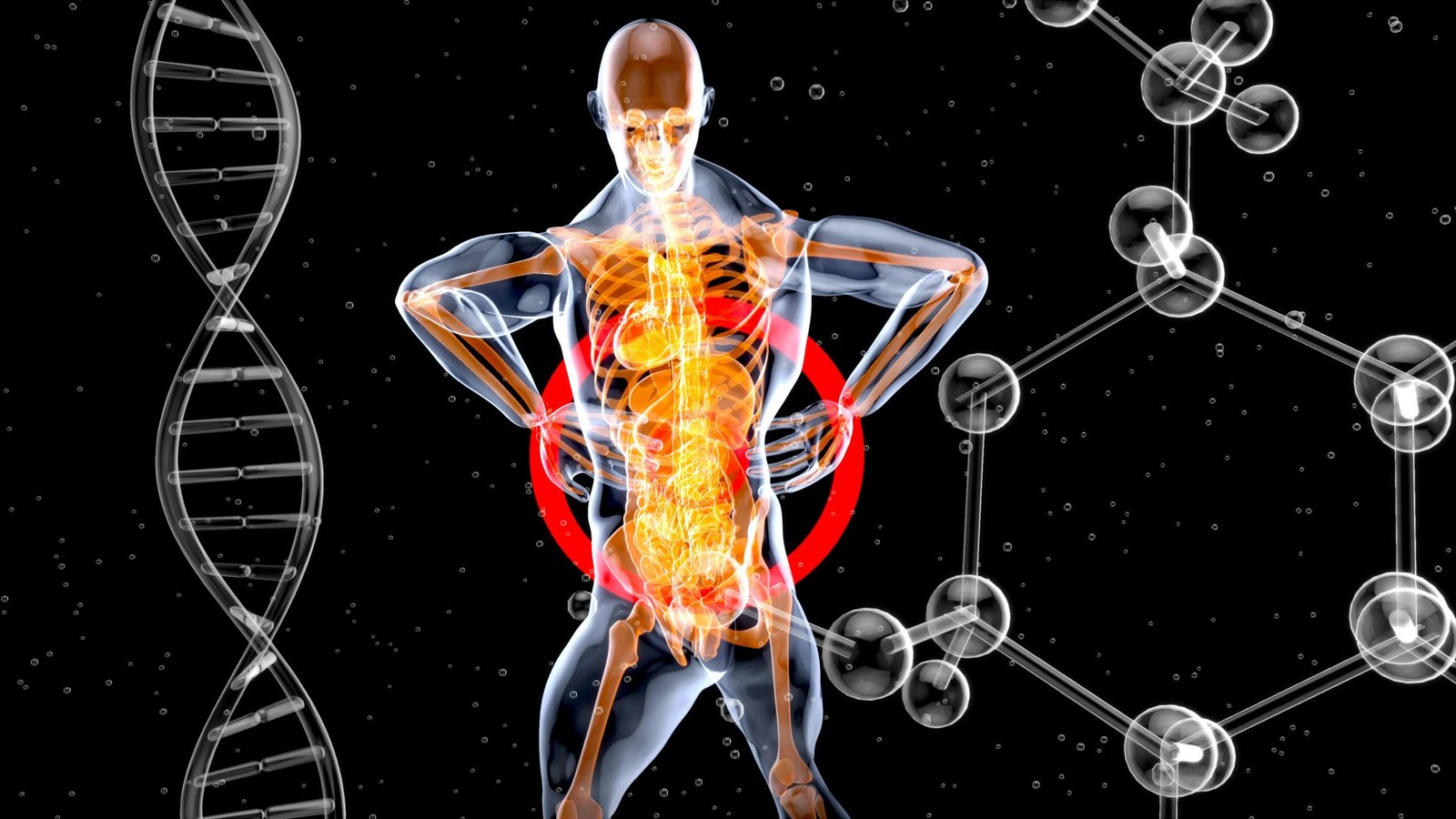
The autonomic nervous system (ANS) is a critical component of the human nervous system that regulates involuntary physiological functions. Unlike the somatic nervous system, which governs voluntary movements, the ANS operates mostly below the level of conscious control. It orchestrates processes such as heart rate, digestion, respiratory rate, pupillary response, and more, ensuring the body maintains internal balance, or homeostasis, in the face of changing internal and external conditions.
The Two Main Divisions
- Sympathetic Nervous System (SNS): Often described as the “fight-or-flight” branch, the SNS prepares the body for action. It increases heart rate, dilates airways, releases stored energy, and redirects blood flow to essential muscles. This system helps us respond quickly to perceived threats or exciting situations.
- Parasympathetic Nervous System (PNS): Commonly labeled the “rest-and-digest” branch, the PNS promotes relaxation and recovery. It slows the heart rate, stimulates digestion, and supports energy conservation. The PNS helps the body engage in restorative activities after stress or exertion.
- Enteric Nervous System (ENS): Sometimes considered a separate autonomic subsystem, the ENS governs the gastrointestinal tract. It can operate independently of the brain and spinal cord but also communicates with both the SNS and PNS. The ENS coordinates digestion, gut motility, and secretion of digestive enzymes.
How the Autonomic Nervous System Works
- Neural Pathways: The ANS relies on a network of neurons that transmit signals between the brain, spinal cord, and various organs. The primary communication routes are sympathetic and parasympathetic fibers.
- Autonomic Reflexes: These quick, automatic responses help regulate vital functions without conscious effort. For example, baroreceptors monitor blood pressure and trigger reflex adjustments to keep it within a healthy range.
- Neurotransmitters: Chemical messengers such as norepinephrine (SNS) and acetylcholine (both SNS and PNS) mediate communication at synapses, shaping how organs respond to stimuli.
- Feedback and Homeostasis: The ANS continually receives sensory information about the body’s state (e.g., temperature, oxygen, glucose levels) and adjusts outputs to maintain stability.
Functions Regulated by the ANS
- Cardiovascular: Heart rate, blood pressure, and vascular tone.
- Respiratory: Bronchial dilation and airway resistance.
- Digestive: Motility, secretion, and blood flow to the gut.
- Urinary and Reproductive: Bladder function and sexual responses.
- Pupil Size and Thermoregulation: Pupillary responses and sweating or shivering to manage temperature.
Clinical Relevance
- Dysfunction and Disorders: ANS problems can manifest as orthostatic intolerance, syncope, gastrointestinal disorders, or conditions like autonomic neuropathy. These issues may arise from diabetes, autoimmune diseases, infections, or neurodegenerative conditions.
- Diagnostic Approaches: Clinicians assess autonomic function through tests such as heart rate variability, tilt-table testing, and sudomotor (sweat) assessments to gauge sympathetic and parasympathetic balance.
- Therapeutic Considerations: Treatment focuses on managing symptoms and underlying causes. Approaches may include medications, lifestyle modifications (hydration, salt intake, gradual position changes), physical therapy, and, in some cases, targeted neuromodulation.
The Bigger Picture: Why the ANS Matters
Without the autonomic nervous system, the body would struggle to adapt to daily life. It modulates the body’s internal environment, enabling physical activity, stress responses, digestion, and recovery. Understanding the ANS provides insight into how stress, sleep, exercise, and nutrition influence overall health and well-being.
Summary
The autonomic nervous system is the body’s autopilot for essential life-sustaining processes. By coordinating the sympathetic, parasympathetic, and enteric components, it maintains balance and readiness, often without our awareness. For students, clinicians, or curious readers, grasping the basics of the ANS offers a foundation for exploring topics from physiology to clinical medicine. If you’d like, I can tailor this article to a specific audience (students, healthcare professionals, or general readers) or add visual diagrams to illustrate the ANS pathways.

Related Posts

How AI Search Is Changing Digital Visibility

Expert Security Sweep Services: Protecting People and Property

2 thoughts on “What Is the Autonomic Nervous System?”