
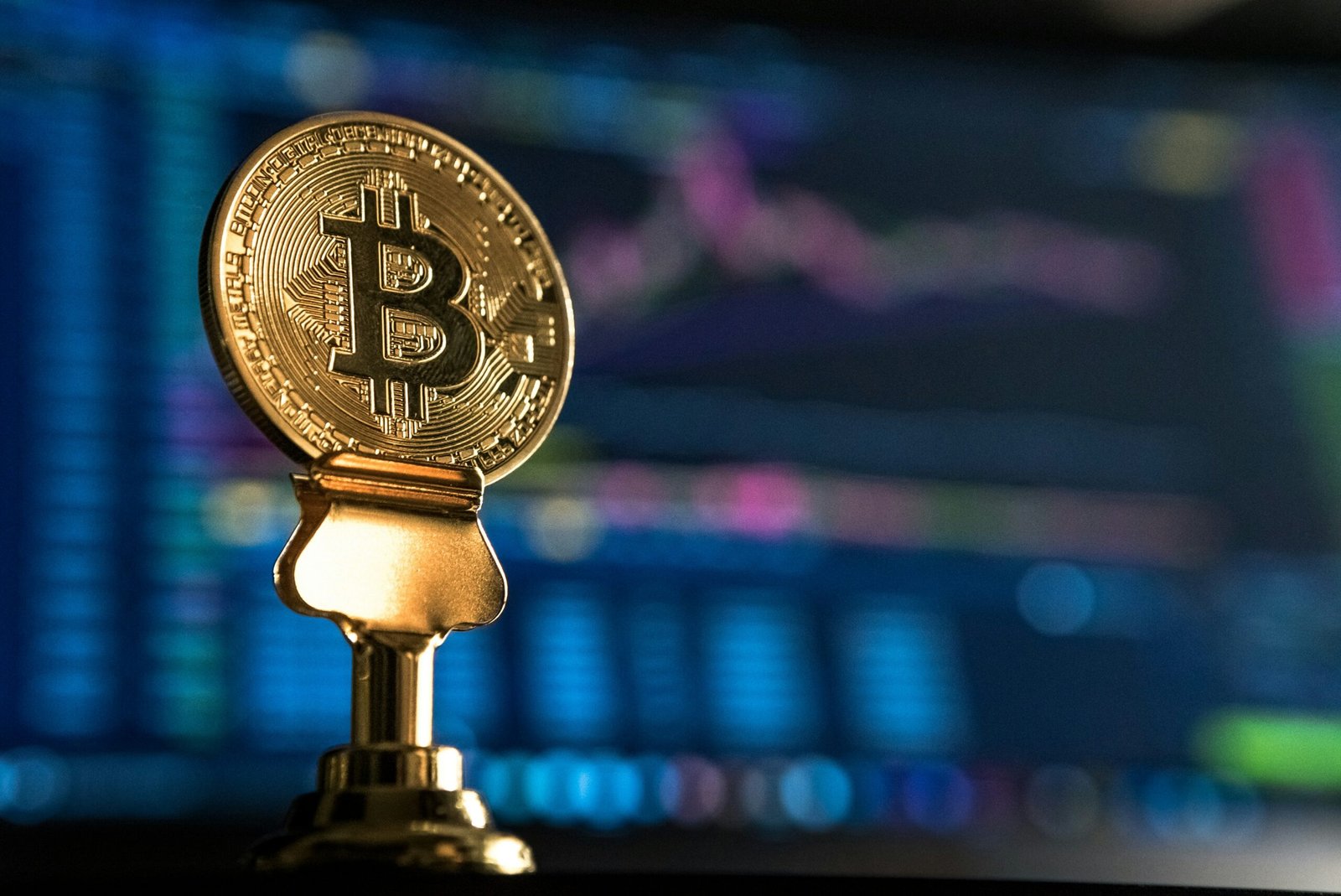
What is the best cryptocurrency to invest in
Investing in cryptocurrencies can offer high upside but also carries significant risk. There isn’t a single “best” crypto that fits every investor or every goal. The right choice depends on your risk tolerance, time horizon, technical understanding, and the use cases you value. This article outlines how to think about selecting cryptocurrencies, common categories, and practical considerations to help you make informed decisions.
Understand your goals and risk tolerance
Before selecting any cryptocurrency, clarify why you’re investing. Are you seeking high short-term gains, long-term appreciation, diversification, or exposure to blockchain technology? Crypto markets are highly volatile; some assets swing dramatically in a matter of days. Assess your risk tolerance and only allocate a portion of your portfolio to such volatile asset classes.
The categories of cryptocurrency investments
- Store of value / digital gold: Some investors look for assets that act as a hedge or store of value, often with a longer track record. Bitcoin (BTC) is the leading example in this category, widely regarded as the most established and liquid crypto asset.
- Smart contract platforms: These are networks that enable decentralized applications (dApps) and programmable transactions. Ethereum (ETH) is the most developed in this space, with a broad ecosystem of developers, DeFi apps, and NFTs. Other platforms include Solana (SOL), Cardano (ADA), and Polkadot (DOT).
- Layer-2 and scaling solutions: These aim to improve speed and reduce costs on existing networks. Examples include Polygon (MATIC) for Ethereum scaling and optimistic/zero-knowledge rollups. These can offer growth aligned with the base chain’s adoption.
- DeFi and governance tokens: DeFi tokens power decentralized finance protocols and often give holders governance rights or revenue-sharing opportunities. Examples include Uniswap (UNI), Aave (AAVE), and Compound (COMP). These carry unique risk profiles tied to protocol security and use.
- Stablecoins and yield opportunities: Stablecoins (e.g., USDC, USDT) are designed to hold value relative to a fiat currency. They’re typically used for liquidity provision, staking, or earning yields through lending platforms. They’re not investment bets on appreciation but vehicles for earning income or managing volatility.
- Thematic and niche projects: Some investors look for specific use-cases like privacy (Monero XMR), interoperable networks (Cosmos ATOM), oracles (Chainlink LINK). These can be high-conviction bets but often come with higher risk.
Key considerations when evaluating a crypto asset
- Purpose and use-case: Does the asset solve a real problem? Is there a clear value proposition and a credible roadmap?
- Team and governance: Who is behind the project? Is there a transparent development process and community support?
- Adoption and ecosystem: How extensive is the developer community? Are there active dApps, partnerships, and real users?
- Security and code quality: Has the project faced major hacks or bugs? How robust are its security practices and audits?
- Liquidity and market depth: Can you enter and exit positions easily? Higher liquidity generally reduces trading risk.
- Regulatory landscape: How might evolving regulations affect the asset and its use cases?
Diversification and risk management
A prudent approach is diversification rather than concentrating all capital in a single asset. Consider a core holding in a proven asset (often Bitcoin) complemented by exposure to trusted ecosystems (like Ethereum) and a smaller allocation to potential high-conviction bets. Never invest more than you can afford to lose, and use risk controls such as position sizing, stop orders where appropriate, and secure custody practices.
Practical steps to start
- Educate yourself: Read whitepapers, follow reputable analytics sites, and understand the fundamentals of the assets you consider.
- Use reputable exchanges and wallets: Prioritize security, reputable insurance/coverage, and user-friendly interfaces.
- Consider a phased approach: Dollar-cost averaging (investing fixed amounts over time) can reduce the impact of short-term volatility.
- Stay informed on security: Enable two-factor authentication, use hardware wallets for long-term storage, and be wary of phishing attempts.

Related Posts

Blockchain Security: How Blockchain Protects Data
How Blockchain Technology Is Reshaping Finance
One thought on “What is the best cryptocurrency to invest in”