
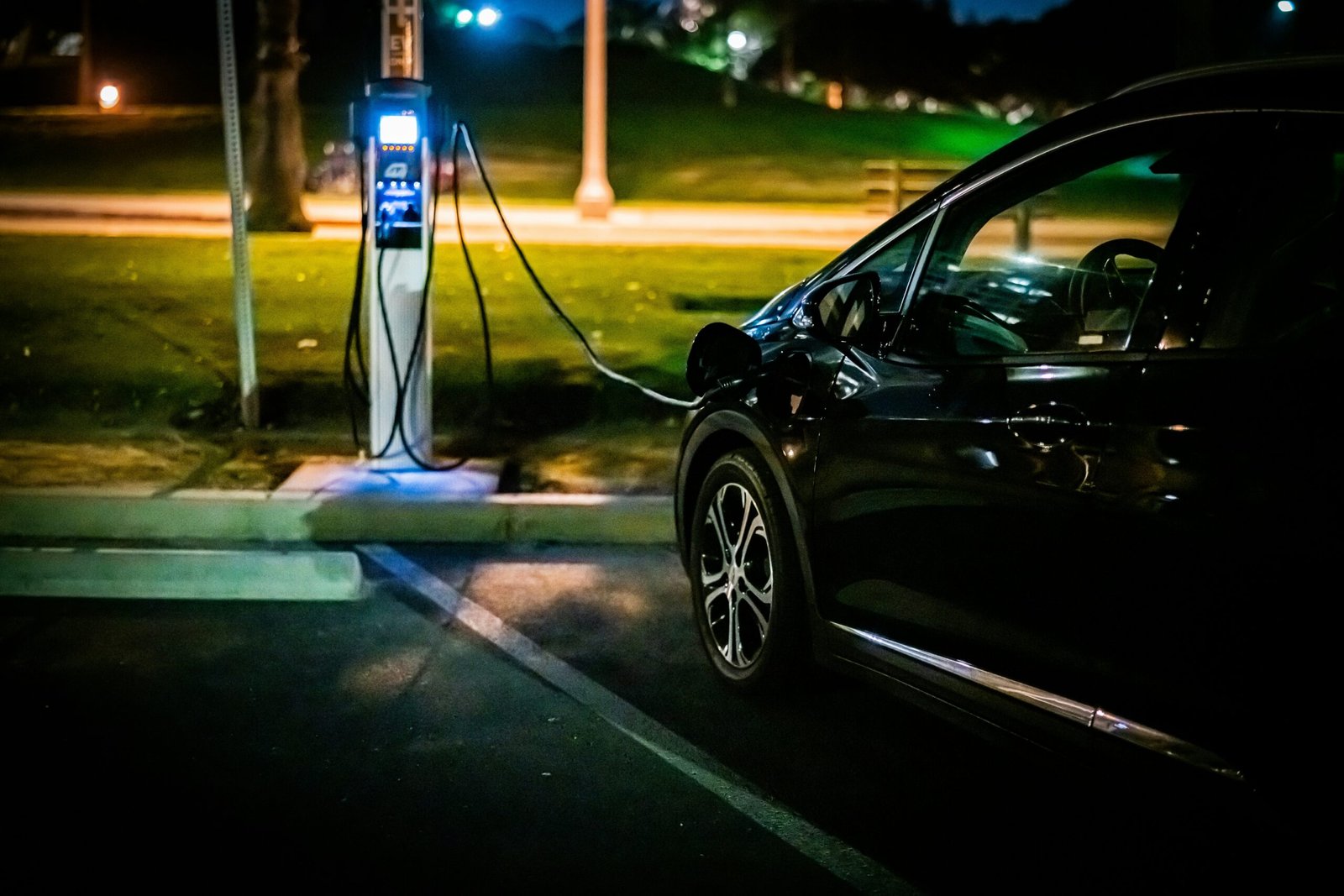
Why Electric Cars Are Good: Benefits for People
Electric cars (EVs) are more than just a trend; they represent a shifting paradigm in transportation. From cleaner air to lower operating costs, EVs offer a range of advantages that appeal to drivers, communities, and policymakers alike. This article explores the key reasons why electric cars are good and how they’re shaping a sustainable future.
- Environmental Benefits
Cleaner Emissions
- EVs produce zero tailpipe emissions, which helps reduce urban air pollution and greenhouse gas (GHG) emissions.
- Even when accounting for electricity generation, many regions rely on cleaner energy mixes, making EVs a lower-carbon option compared to internal combustion engine vehicles.
Energy Efficiency
- Electric drivetrains are inherently more efficient than gasoline engines. They convert a larger share of stored energy into motion, resulting in lower energy waste.
Renewable Integration
- EVs can play a role in energy systems by charging when renewable generation is abundant and, in some cases, feeding stored energy back to the grid through vehicle-to-grid technology.
- Lower Running Costs
Fuel Savings
- Electricity is typically cheaper than gasoline or diesel on a per-mile basis, especially with off-peak charging rates and long-term price trends favorable to electricity.
Maintenance Money
- EVs have fewer moving parts, no oil changes, and simplified drivetrains. This often translates to lower maintenance costs and fewer visits to the shop.
Predictable Costs
- With fewer components that wear out (like exhaust systems and timing belts), owners often enjoy more predictable and manageable maintenance budgets.
- Performance and Driving Experience
Instant Torque
- Electric motors deliver immediate torque, providing brisk acceleration and a smooth, quiet ride.
Quiet Comfort
- The absence of engine noise makes for a calmer driving environment, improving comfort for drivers and passengers.
Regenerative Braking
- Regenerative braking helps recover energy during deceleration, which can extend range and reduce brake wear.
- Energy Independence and Economic Resilience
Reduced Oil Dependence
- EVs reduce reliance on imported petroleum, contributing to national energy security and diversity of energy sources.
Local Economic Benefits
- EV adoption can stimulate local job creation in manufacturing, charging infrastructure, and maintenance services, boosting regional economies.
- Technological Innovation and Convenience
Smart Features
- Modern EVs come with advanced infotainment, driver-assistance systems, and over-the-air software updates that improve functionality over time.
Home Charging Convenience
- The ability to charge overnight at home offers convenience and can simplify daily routines for many households.
Public and Workplace Charging
- A growing network of public and workplace chargers reduces range anxiety and makes longer trips feasible.
- Health and Quality of Life
Cleaner Air
- Reducing tailpipe emissions helps improve air quality, with downstream benefits for respiratory and cardiovascular health, particularly in congested cities.
Noise Reduction
- Quieter streets, especially in busy urban areas, contribute to lower noise pollution and a more pleasant urban environment.
- Affordability Trends and Incentives
Total Cost of Ownership
- While upfront prices can be higher, the total cost of ownership—factoring in fuel savings, maintenance, and potential tax incentives—often favors EVs over the vehicle’s lifespan.
Incentives and Policies
- Many regions offer purchase incentives, tax credits, rebates, or subsidized charging infrastructure, which can shorten payback periods for new buyers.
Conclusion
Electric cars are good for a multitude of reasons: they cut emissions, reduce ongoing costs, deliver engaging performance, and foster energy resilience. As technology advances, charging networks expand, and grid systems become cleaner, the advantages of EVs will continue to grow. Embracing electric mobility is not just about personal benefit; it’s a collective step toward healthier cities, a more sustainable planet, and a smarter economy. If you’re considering a shift to electric driving, exploring your driving patterns, charging option




One thought on “Why Electric Cars Are Good: Benefits for People”