
Demystifying Blockchain Technology: How It Works and Why It Matters
Blockchain technology has quickly transformed from niche innovation powering cryptocurrencies into foundational pillar for a wide range of digital applications. But what is blockchain, really? Let’s pull back the curtain explore what makes this technology unique. How it works, and why it’s generating so much excitement across industries.
The Basic Building Blocks: Understanding the Blockchain
At its core, a blockchain is a digital ledger—a secure. Shared database—that records information across a network of computers. Unlike traditional databases controlled by one central authority, blockchains are decentralized. This means no single person or organization has full control. Every participant in the network has access to the full ledger, making it incredibly difficult to alter or manipulate the records once they’re entered.
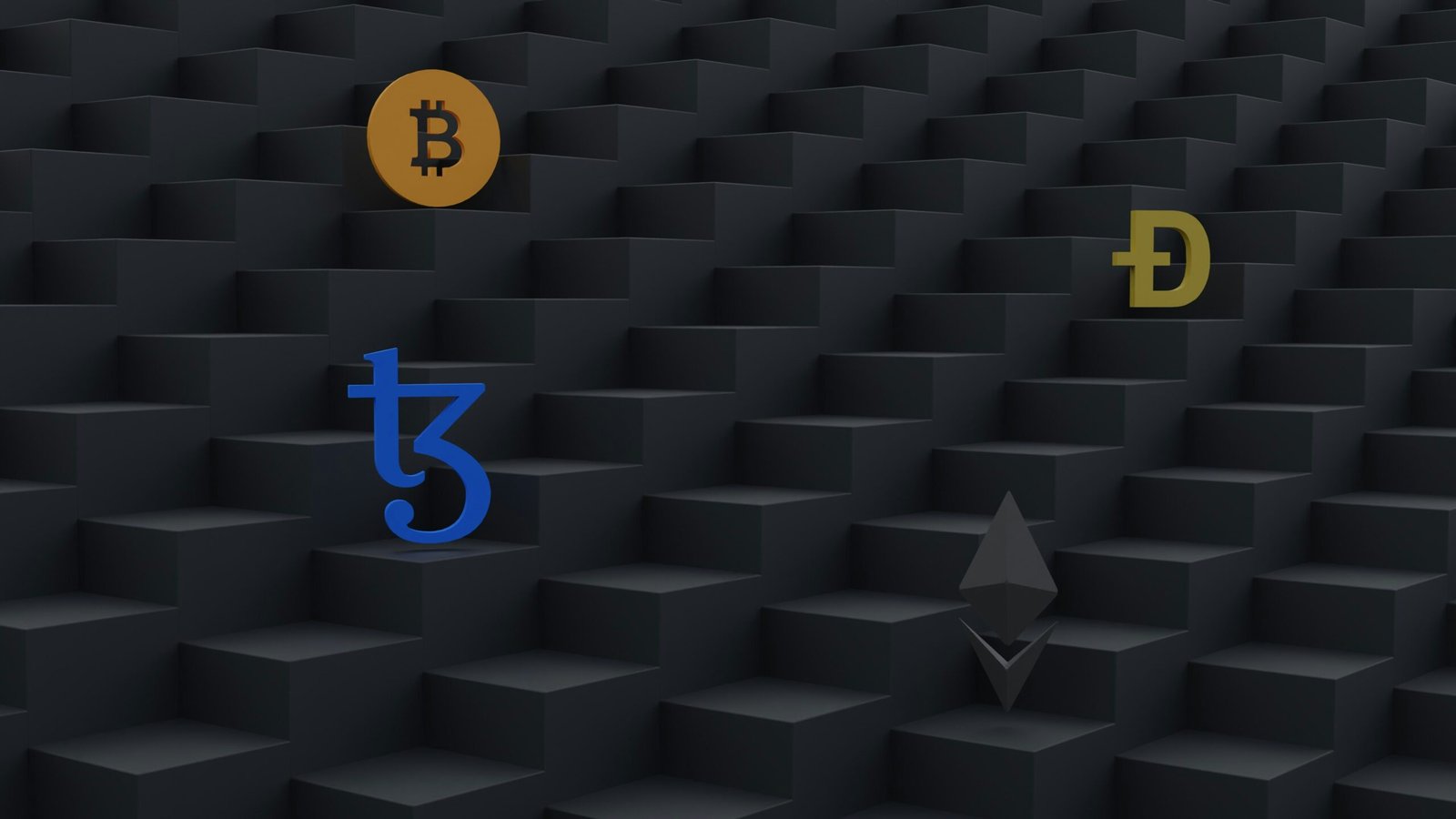
Imagine it like a growing stack of digital blocks. Each block contains a group of transactions or data entries. Once a block is filled, it’s “chained” to the previous block using cryptography, forming a chronological and unchangeable record. This chain stretches back to the first block ever created, called the “genesis block,” and grows with every new set of verified data.
How Blockchain Works: A Peek Under The Hood
So, how does this process run without a trusted middleman? It’s all about consensus and cryptography. Transactions (whether it’s a Bitcoin payment or a digital asset transfer) are broadcast to the network. Specialized participants, known as “miners” or validators, then verify the authenticity of the data using complex algorithms. Once a majority agrees, the new block is added to the chain and shared with everyone. Try making a sneaky change—every other participant would instantly spot the difference and reject your tampered record.
Key Features That Set Blockchain Apart
- Decentralization: No single entity holds the keys to the kingdom.
- Immutability: Once data is on the blockchain, it can’t easily be changed.
- Transparency: All transactions are open for participants to see, which builds trust.
- Security: Cryptographic methods safeguard the data from tampering or hacking.
Beyond Bitcoin: Blockchain’s Expanding Universe
While blockchain technology is best known as the engine behind cryptocurrencies like Bitcoin and Ethereum, its reach goes far beyond digital coins. Industries are exploring—and in many cases, already using—blockchain for a variety of applications:
- Supply Chain Management: Companies use blockchain to trace the journey of goods, prevent fraud, and ensure authenticity from origin to destination.
- Healthcare: Patient records stored on a blockchain can give patients control of their data and streamline sharing between providers while preserving privacy.
- Voting Systems: Secure, transparent blockchain voting can reduce fraud and boost confidence in elections.
- Smart Contracts: These are self-executing contracts written into code, triggering actions when conditions are met—think of it as digital trust you don’t have to second-guess.
The Hurdles and The Promise
Like any technology, blockchain isn’t free from challenges. Scalability remains a concern—processing lots of transactions quickly still poses difficulties for some blockchain networks. Regulatory uncertainty also looms, since lawmakers are still figuring out how to govern this new frontier. And let’s be honest: blockchain’s technical jargon and complexity intimidate many who might benefit from its innovations.
But the promise outweighs the hurdles for many visionaries. Blockchain’s ability to remove trust barriers, streamline processes, and create transparent records is fueling a burst of creative solutions across sectors.
Why Should You Care?
Blockchain technology isn’t just for techies or crypto enthusiasts. If you care about privacy, security, efficiency or simply want to understand the tools shaping tomorrow’s economy blockchain should be on your radar. The next wave of internet revolution is riding atop these digital chains. Whether you’ll use it to track your coffee beans, secure your vote, or manage your medical data. Blockchain’s influence is poised to touch more and more aspects of our daily lives.
So, the next time you hear someone mention blockchain in a conversation, you’ll know it’s not just about digital money—it’s about a new way of forging trust in an increasingly digital world.



One thought on “Demystifying Blockchain Technology: How It Works and Why It Matters”