
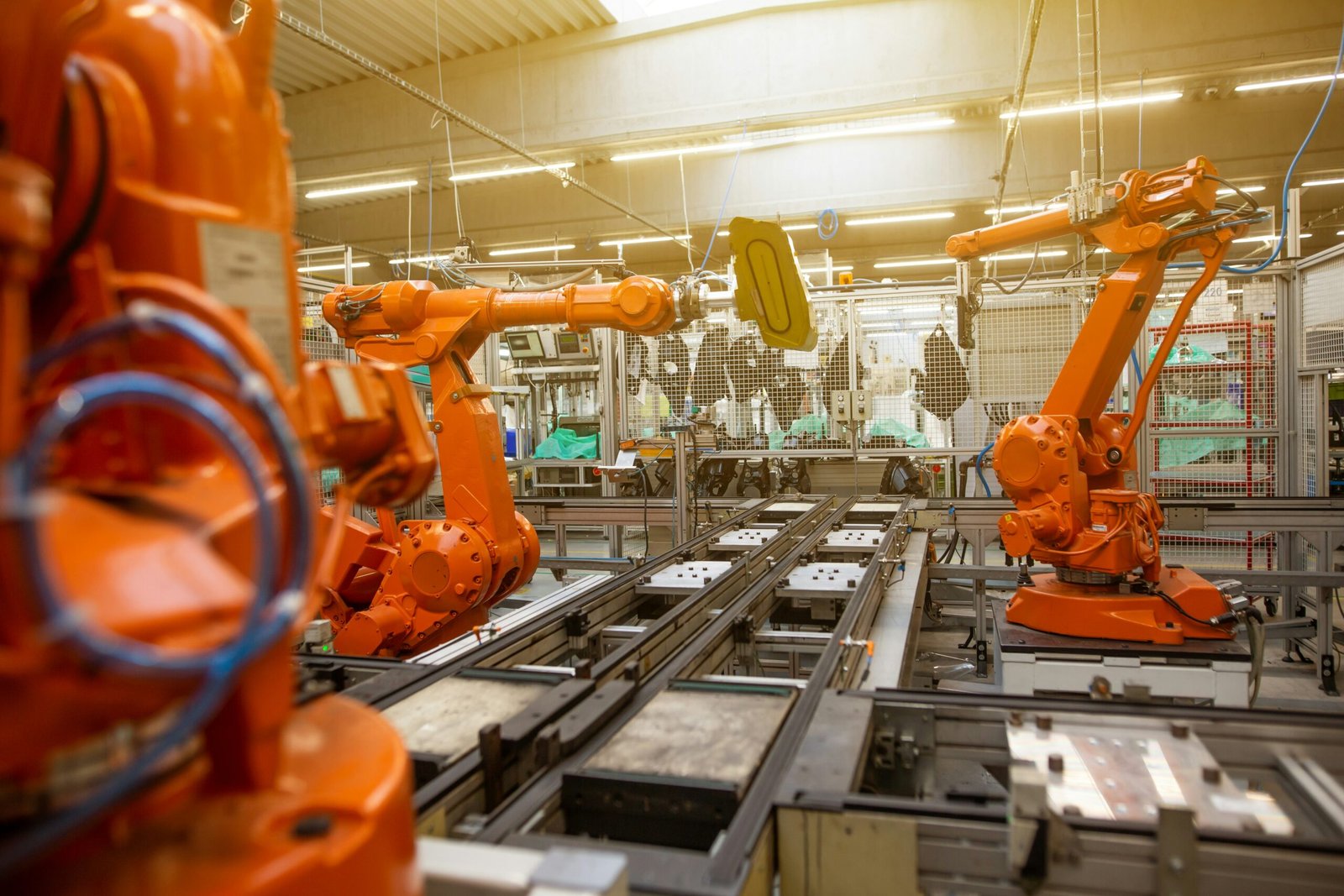
Digital Twins in Manufacturing: Transforming Operations and Innovation
A digital twin is a high-fidelity virtual replica of a physical asset, process, or system. In manufacturing, digital twins simulate how machines, lines, and factories perform in real time, using data from sensors, PLCs, and enterprise systems. The goal is to mirror reality with enough accuracy to analyze behavior, predict outcomes, and optimize decisions without disrupting the actual production floor.
Key Components of a Manufacturing Digital Twin
- Data Ingestion: Real-time streams from sensors, MES, ERP, SCADA, and CAD models feed the twin with current status.
- Modeling and Simulation: Physics-based, data-driven, or hybrid models recreate dynamics of equipment and processes.
- Connectivity and Integration: Seamless interfaces with automation controllers, asset management, and analytics platforms.
- Analytics and AI: Machine learning, predictive analytics, and optimization algorithms extract insights and recommendations.
- Visualization and Interface: Dashboards, AR/VR overlays, and operator consoles translate complex data into actionable guidance.
Types of Digital Twins in Manufacturing
- Asset Twin: Focuses on a single machine or asset, monitoring health, performance, and maintenance needs.
- Process Twin: Represents a manufacturing process (e.g., CNC milling, injection molding) to optimize throughput and quality.
- System Twin: Captures an entire production line or factory, enabling holistic optimization across workflows.
- Enterprise Twin: Links shop floor realities with business-level planning to align operations with supply chain goals.
Use Cases: Why Manufacturers Invest in Digital Twins
- Predictive Maintenance: Anticipate wear, failures, and maintenance windows to minimize unplanned downtime.
- Quality Assurance and Process Optimization: Simulate and tune process parameters to reduce defects and improve yield.
- Energy Efficiency: Model energy consumption to identify savings and optimize production scheduling.
- Digital Thread and Traceability: Create a traceable data lineage from design to finished product for compliance and continuous improvement.
- Remote Monitoring and Operations: Manage dispersed facilities with centralized visibility, reducing travel and response times.
- Change Management and New Product Introductions: Test production capabilities for new designs before ramping up.
Benefits Across the Production Lifecycle
- Reduced Downtime: Proactive maintenance minimizes costly interruptions.
- Improved Quality: Data-driven parameter tuning leads to tighter process control.
- Faster Time-to-Market: Virtual testing accelerates validation and iteration.
- Cost Reduction: Optimized resource use, energy savings, and waste reduction.
- Enhanced Collaboration: Shared digital models improve communication among design, engineering, and operations teams.
Challenges and Best Practices
- Data Quality and Integration: Clean, interoperable data is essential; establish data standards and governance.
- Model Accuracy: Start with credible baseline models and continuously refine with actual performance data.
- cybersecurity and Safety: Protect digital assets and industrial networks from threats.
- Change Management: Cultivate cross-functional teams and clear ownership of the digital twin lifecycle.
- ROI Measurement: Define clear KPIs (uptime, yield, OEE, energy intensity) and track them over time.
Implementation Roadmap
- Define objectives: Identify the highest-value use cases aligned with business goals.
- Inventory assets and data flows: Map sensors, systems, and data availability.
- Build a minimum viable twin: Start with a single asset or process to prove value.
- Scale and modularize: Extend to lines, cells, or entire plants with standardized interfaces.
- Connect to decision systems: Integrate with MES, ERP, and supply chain planning for closed-loop optimization.
- Govern and evolve: Establish governance, security, and a roadmap for ongoing improvements.
Future Trends: What’s Next for Digital Twins in Manufacturing
- Advanced physics-based modeling combined with AI for more accurate predictions.
- Real-time digital twins that adapt to supply chain disruptions and demand shifts.
- AR-assisted operations where technicians interact with twins on the shop floor.
- Omnichannel and federated twins across multiple facilities for enterprise-wide optimization.
Conclusion: A Strategic Asset for Modern Manufacturing
Digital twins transform manufacturing from reactive to proactive. By creating faithful digital representations of assets, processes, and systems, manufacturers can optimize performance, reduce risk, and accelerate innovation. As data capability and computational power grow, the digital twin becomes not just a tool but a strategic platform for continuous improvement across the manufacturing ecosystem.
3 thoughts on “Digital Twins in Manufacturing: Transforming Operations and Innovation”
Leave a Reply

Related Posts

How to Choose the Best App Firewall Software in 2026
Low-Code Platforms: The Future of Faster App Development
Another app, KKKbetapp! Gotta love the convenience of mobile betting. Downloaded and ready to roll. Fingers crossed for some wins! Download the app here: kkkbetapp
I am sure this paragraph has touched all the internet visitors, its really really fastidious paragraph on building up new web site.